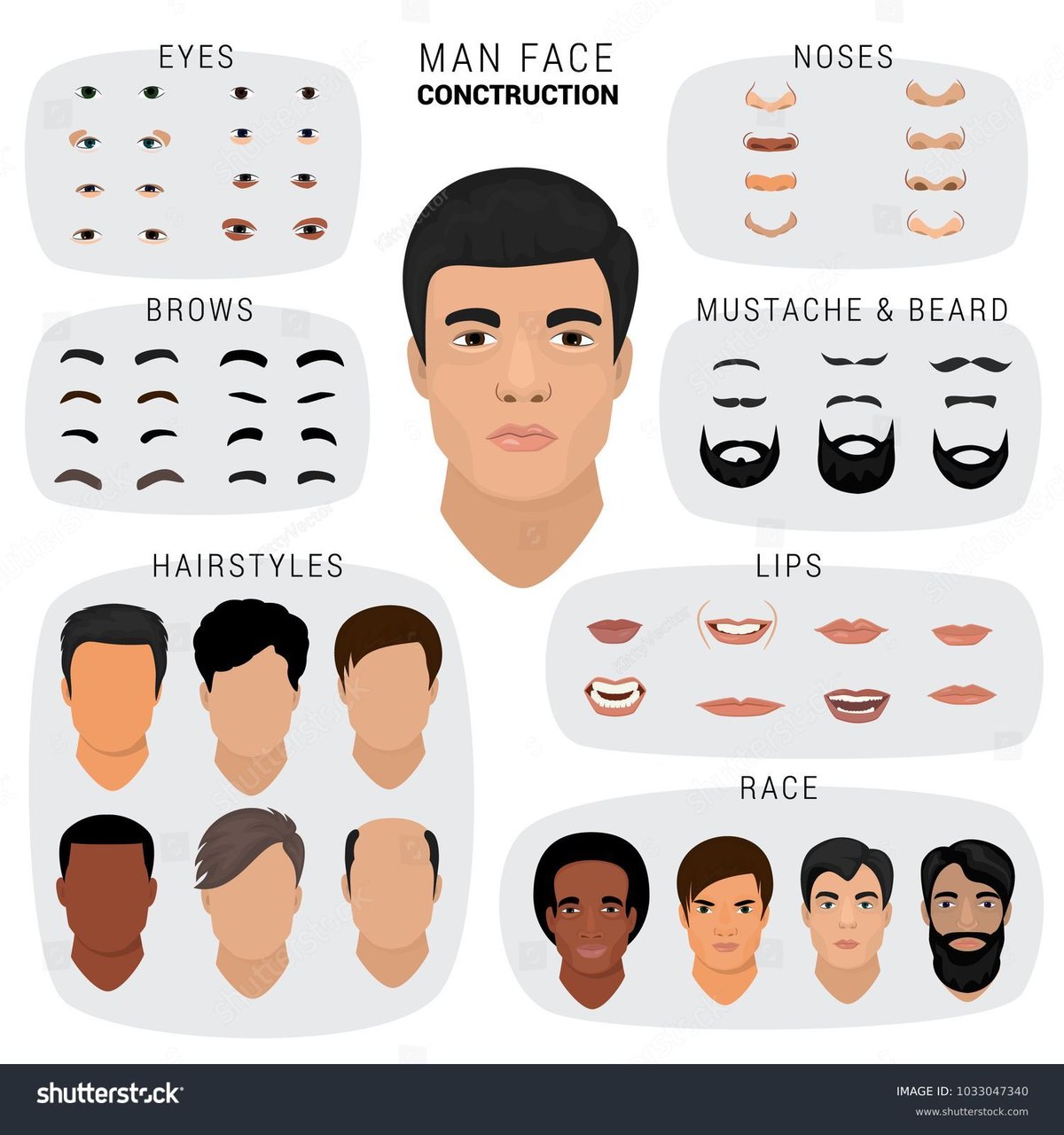
As a seasoned character designer, I've spent countless hours dissecting what makes a cartoon character truly click. Often, we fixate on expressive eyes or a charming smile, but the unsung hero, the quiet workhorse of personality, is the humble cartoon nose. Understanding the anatomy & styles of cartoon noses isn't just about drawing a pretty face; it's about imbuing your characters with immediate recognition, emotional depth, and a dash of irresistible charm.
Think about it: from the minimalist dot to the exaggerated bulbous snout, each nose carries a narrative, a secret language that whispers details about who your character is, what they feel, and where they belong in their animated world.
At a Glance: Nailing Cartoon Noses
- Noses are storytelling powerhouses: They define personality, age, and even species.
- Simplicity often reigns: Less detail can mean more impact and versatility.
- Styles are archetypes: Learn the common shapes (dot, line, triangle, blob, button, hook) and what they convey.
- Context is king: Always consider the nose in relation to the entire face and character.
- Practice with purpose: Observe, sketch, and experiment to find your unique style.
More Than Just a Sniffer: The Unsung Hero of Cartoon Faces
It’s easy to overlook the nose. In real life, it’s a central feature, but in cartoons, it can shrink to a mere suggestion or explode into a dominant trait. This flexibility is its superpower. Unlike eyes or mouths, which are primarily conduits for emotion, the cartoon nose often defines a character's inherent nature before they even speak or react.
Consider Homer Simpson's iconic, two-curved-line nose: it's not anatomically correct, yet it perfectly captures his simple, everyman essence. Or SpongeBob's long, slightly angular nose, which speaks to his quirky, almost alien optimism. These aren't just random shapes; they're deliberate design choices that communicate volumes instantly. Ignoring the strategic potential of a nose is like building a house and forgetting the front door – it's a missed opportunity for character entry.
Decoding the Basics: Essential Anatomy of a Cartoon Nose
While real noses boast complex cartilage and bone structures, cartoon noses thrive on simplification. When we talk about "anatomy" here, we're discussing the stylized components that artists manipulate to create various effects. You're not mimicking reality; you're distilling it into its most communicative essence.
At its core, a cartoon nose usually comprises a few key ideas:
- The Bridge: This is the part that connects to the forehead, often just a subtle curve or line.
- The Tip: The most prominent part, where most of the character comes to life. This is where you see dots, circles, triangles, or complex shapes.
- The Nostrils: Sometimes just implied, other times explicitly drawn as dots, slits, or small curves.
- The Septum/Underside: The area between the nostrils, often defined by a bottom curve or shadow.
The trick is understanding that you don't need all these elements. Often, a single dot or a couple of lines are enough to suggest a nose, letting the viewer's brain fill in the rest. This "less is more" principle is fundamental to cartooning, allowing for cleaner lines and more fluid animation or illustration. A simple dot for a child's nose, for instance, implies innocence and youth far more effectively than a highly detailed, realistic rendering ever could.
A Gallery of Gags and Grandeur: Exploring Core Nose Styles
The sheer variety of cartoon noses is astounding, limited only by your imagination. However, certain archetypal styles recur because they are incredibly effective at conveying specific traits. Think of these as your basic building blocks, ready to be tweaked and personalized.
The Dot Nose: Simplicity Personified
This is perhaps the most minimalist nose style: a simple dot or very small circle. It's often used for very young characters, animals, or highly stylized designs where realism is not the goal.
- What it conveys: Innocence, youth, smallness, cuteness, timidness, or extreme simplicity.
- Examples: Characters like Hello Kitty, or often seen in early animation for background characters.
- Design Tip: Place it slightly higher on the face for more childlike innocence, lower for a more animalistic look.
The Line Nose: Minimalist Expressiveness
A single line, a short curve, or an inverted 'U' can serve as a nose. This style is also incredibly versatile and can be highly expressive with subtle changes in curve and thickness.
- What it conveys: Understated emotion, quick reactions, a sense of lightness, or a subtle hint of character. Can suggest elegance or a quick, almost nervous energy depending on the line's quality.
- Examples: Many anime characters, or classic rubber hose cartoons where facial features needed to be highly flexible.
- Design Tip: Vary the line weight. A thinner line can be delicate, a thicker one can add weight or age.
The Triangle/Pointed Nose: Sharp, Cunning, or Cute
From an inverted triangle to a sharp, angular point, this style is incredibly dynamic. It can represent anything from mischievousness to villainy, or even just a very distinct personality.
- What it conveys: Sharpness, cunning, intelligence, mischief, a hint of danger, or even a cute, animal-like quality (like a fox). Upward-pointing triangles can be perky; downward-pointing can be more ominous.
- Examples: Pinocchio (literally!), many witch or goblin characters, or some animated woodland creatures.
- Design Tip: The angle of the triangle can dramatically alter the effect. A very sharp angle feels more aggressive; a softer, rounded triangle can be quite endearing.
The Blob/Potato Nose: Goofy, Friendly, Earthy
This is where the nose takes on a more organic, often bulbous or rounded shape, resembling a potato, a kidney bean, or just an amorphous blob. It often suggests a certain pliability or lack of pretension.
- What it conveys: Friendliness, goofiness, good humor, a grounded or earthy personality, comfort, or even a touch of sloppiness. Can make a character feel approachable and non-threatening.
- Examples: Many classic cartoon characters like Fred Flintstone, or often seen on comedic sidekicks.
- Design Tip: Experiment with asymmetry. A slightly lopsided blob nose can add to a character's quirky charm.
The Button Nose: Sweet, Innocent, Childlike
A small, rounded nose, slightly upturned, often perfectly circular or a soft oval. This style is a classic for characters meant to evoke warmth and approachability.
- What it conveys: Sweetness, innocence, youthfulness, naivety, optimism, or a gentle demeanor. It's often associated with traditionally cute characters.
- Examples: Many child characters, princesses, or gentle animal characters.
- Design Tip: Pair with wide, expressive cartoon eye styles to enhance the innocent look.
The Hook/Aquiline Nose: Distinguished, Villainous, or Wise
Characterized by a prominent bridge and a downward curve or hook at the tip, this nose carries significant weight and can imply a complex personality.
- What it conveys: Wisdom, authority, dignity, age, sternness, or sometimes villainy and haughtiness. The degree of the hook and its sharpness dictates the nuance.
- Examples: Wise mentors, formidable villains, or regal figures. Think of Maleficent or an old wizard.
- Design Tip: Be mindful of stereotypes. Use this style to convey traits rather than relying on problematic generalizations.
The Snout: For Anthropomorphic Characters
When your character isn't entirely human, the nose often shifts towards a more animalistic form, becoming a snout. This can range from a dog's wet nose to a pig's broad sniffer.
- What it conveys: Species identification, animalistic instincts, playfulness, or ruggedness.
- Examples: Any animal character, or anthropomorphic heroes like Simba or Bugs Bunny.
- Design Tip: Pay attention to the animal's actual nose for inspiration, then cartoonify it. Think about how the nostrils would appear.
The Abstract/Stylized Nose: Beyond Conventional Shapes
Some cartoon styles push beyond recognizable shapes, using geometric forms, swirls, or even lines that merely hint at a nose without forming a distinct feature.
- What it conveys: Ultra-modern design, unique artistic vision, a breaking of conventions, or a very specific brand identity.
- Examples: Characters in experimental animation, or highly graphic styles.
- Design Tip: This style works best when the overall character design supports the abstraction. It shouldn't feel out of place.
Crafting Character: Matching Noses to Personalities & Archetypes
The real magic happens when you pair a nose style with a character's core identity. A nose isn't just an isolated feature; it's a critical component in building a cohesive personality.
The Hero/Protagonist: Often Balanced, Relatable
For your main character, you usually want a nose that's distinctive but not distracting. It might lean towards a button or a slightly rounded blob, or a simple, confident line. The goal is often relatability and approachability.
The Villain: Sharp, Angular, or Overly Large/Small
Villains often benefit from noses that create a sense of discomfort or exaggeration. A sharp, pointed nose can suggest cunning and cruelty, while an overly large or bulbous nose might imply grotesque self-indulgence or a lack of self-awareness.
The Comedian/Sidekick: Exaggerated, Goofy, Asymmetrical
These characters are often designed for visual humor, and their noses can reflect that. A large, rubbery potato nose that wiggles, or a tiny, almost-missing nose that makes them seem inept, can both be highly effective. Asymmetry or unexpected placement can add to the comedic effect.
The Wise Old Figure: Long, Slightly Drooping, or Distinguished
A slightly elongated or aquiline nose, sometimes with a subtle downward curve, can add gravitas and age. It suggests a character who has seen much and holds knowledge. The nose might be more detailed or have a pronounced bridge.
The Child/Ingénue: Small, Round, Delicate
To convey innocence and youth, smaller, softer nose shapes are almost always the go-to. Think dot noses, button noses, or very simplified lines. These minimize facial complexity, contributing to an impression of unformed youth. Getting the right nose can really bring out the essence of your character, alongside their cartoon mouth styles.
The Brute/Strongman: Broad, Flat, or Angular
For characters built for strength, a broad, flat nose can emphasize power and a grounded nature. Angular, blocky noses can also work to convey a sense of unyielding force or even bluntness.
Matching the nose to the personality is one of the fundamentals of cartoon character design that elevates your work from merely drawing to truly designing.
Beyond Shape: The Nuances of Size, Placement, and Proportion
Once you have a basic shape in mind, it's time to refine it with subtle adjustments to size, placement, and how it relates to the rest of the face. These aren't just details; they are crucial components of visual communication.
Size Matters: Tiny vs. Enormous
- Tiny Noses: Often signify delicacy, shyness, elegance, youth, or even aloofness. A tiny dot can make a character seem less threatening or more refined.
- Enormous Noses: Immediately draw attention and suggest a dominant personality trait. They can imply goofiness, a strong sense of smell, age, or a larger-than-life character. They are often comedic or used for imposing figures.
Vertical Placement: High Bridge, Low Bridge
Where the nose sits vertically on the face changes everything.
- Higher Placement: Closer to the eyes, often makes a character look younger, more innocent, or gives a sense of being 'squished' and cute.
- Lower Placement: Closer to the mouth, can make a character look older, more world-weary, or even slightly menacing if paired with other features.
Horizontal Placement: Width and Spacing
The width of the nose and how far it extends from the center of the face also plays a role.
- Narrow Noses: Can suggest refinement, sharpness, or a delicate nature.
- Wide Noses: Often convey strength, earthiness, or a more rugged appearance.
- Protrusion: How far the nose sticks out from the face (or appears to in 2D) also matters. A flat nose is often more innocent; a very prominent one can be more commanding or exaggerated.
Proportion to the Face: The Whole Picture
A nose is never in isolation. Its effectiveness hinges on its relationship with every other feature. A delicate button nose on a massive, square head might look absurd (unless that's the comedic intent). Conversely, a giant, hooked nose on a tiny, round face creates an immediate strong impression. Pay attention to how the nose harmonizes or intentionally contrasts with cartoon eye styles and the overall head shape when you're drawing complete cartoon faces.
Express Yourself: Noses and Emotional Cues
While eyes and mouths are the primary movers of emotion, the nose isn't just a static fixture. Subtle changes can amplify or even initiate an emotional response.
- Flared Nostrils: A universal sign of anger, exertion, or intense concentration. Even simplified nostrils can subtly widen.
- Wrinkled Bridge: Indicates disgust, confusion, or a sour expression. A few small lines at the bridge of the nose can instantly convey this.
- Upturned Nose: Can suggest curiosity, snootiness, or a playful sniff. Often paired with a slightly raised eyebrow.
- Drooping Nose: Often seen with sadness, weariness, or a generally deflated demeanor. The tip might point slightly downward.
- Red Nose: In some styles, a red nose (often paired with a blob or button shape) can signify illness, crying, or even drunkenness, especially in classic comedic characters.
These small adjustments can add incredible depth to a character's emotional range, turning a simple facial feature into a dynamic part of their performance.
Putting It All Together: A Practical Design Workflow for Noses
Ready to put theory into practice? Here’s a streamlined approach to designing compelling cartoon noses for your characters.
Step 1: Understand Your Character's Core
Before you even touch a pencil to paper for the nose, know your character. What's their personality? Are they brave, timid, sneaky, jovial? What's their age, gender (if applicable), and species? This initial understanding dictates your first design choices. A nose for a grumpy old wizard will be vastly different from one for a playful young sprite.
Step 2: Sketch Basic Head Shapes
Don't start with the nose. Begin by blocking out the overall head shape and placement of other key features like the eyes and mouth. The nose needs to fit into this existing framework. Are we talking about a broad, square head? A delicate oval? A goofy, pear-shaped head? Sketching the head first helps you gauge the appropriate scale and style for the nose. This is a crucial step in drawing complete cartoon faces.
Step 3: Experiment with Core Nose Shapes
Now, start playing with the archetypal nose styles we discussed earlier. On your basic head shape, rapidly sketch different options: a dot, a small triangle, a rounded blob, a sharp hook. Don't commit yet; this is a brainstorming phase. See which shapes feel right for the character's personality. Do they instantly click, or do they clash?
Step 4: Refine Size, Placement, and Detail
Once you have a general shape, begin to tweak it.
- Size: Make it bigger, smaller, wider, narrower.
- Placement: Move it up or down on the face, shift it slightly left or right (especially for expressive, asymmetrical styles).
- Protrusion: Add a subtle curve to suggest it sticks out, or flatten it to be almost flush.
- Nostrils: Decide if you need them. A dot nose rarely does, but a more defined nose might benefit from simple lines or implied shapes.
- Line Weight & Shading: Use thicker lines for the underside of the nose to give it weight, or add a tiny shadow to imply dimension. Remember, even in highly stylized cartoons, a hint of shadow can make a nose feel more grounded.
Step 5: Test Expressions and Angles
A good nose design works from multiple angles and throughout a range of emotions. Sketch your character with their new nose:
- From the front, side, and three-quarter view.
- Smiling, frowning, surprised, angry.
Does the nose still convey the intended personality? Does it look awkward from certain angles, or does it enhance the expression? You might find a great nose for a front view looks strange in profile, requiring adjustments.
Step 6: Ensure Consistency
Once you've settled on a design, ensure you can replicate it consistently. Create a small style guide for your character, detailing the nose's key characteristics. This is vital for projects with multiple artists or for maintaining your character's brand identity. Consistency in design is one of the pillars of fundamentals of cartoon character design.
Common Pitfalls and How to Avoid Them
Even seasoned artists can stumble when it comes to nose design. Watch out for these common missteps:
- Inconsistency Across Drawings: One day it’s a button nose, the next it’s a pointy one. This breaks character recognition. Solution: Develop a reference sheet and stick to it.
- Mismatching Nose to Personality: Giving a fierce warrior a tiny, delicate button nose, or a shy librarian a massive, boisterous blob. Unless it's for ironic comedic effect, this creates cognitive dissonance. Solution: Always start with character personality, not just a cool shape.
- Over-detailing: Adding too many lines, wrinkles, or realistic shading to a cartoon nose can make it look out of place or too busy, especially if the rest of the face is simplified. Solution: Err on the side of simplicity. If in doubt, remove a line.
- Ignoring Context: Designing a nose in isolation without considering the head shape, eyes, or mouth. A nose that looks great on its own might clash horribly with other features. Solution: Always draw the nose within the context of the full face, even if it's just a rough sketch.
Answering Your Burning Nose Questions
Can a cartoon character have no nose?
Absolutely! For highly stylized or abstract characters, or even for certain comedic effects, a character might have no discernible nose at all. Think of the simplistic faces of characters from Adventure Time or many emojis. The absence of a nose can emphasize other features or create a minimalist, universal appeal.
How do I make a cartoon nose look 3D in 2D drawings?
Even in 2D, you can suggest dimension:
- Line Weight: Use a slightly thicker line on the underside or shadow side of the nose.
- Overlap: Draw the nose slightly overlapping the cheek or forehead line.
- Subtle Shadow: A tiny, strategically placed shadow beneath the nose or on one side can give it pop without being overly realistic.
- Offset: When drawing a three-quarter view, slightly offset the nose from the exact center of the face to follow the curve of the head.
Is there a "right" way to draw a cartoon nose?
There's no single "right" way, but there are effective ways. The "right" way is the one that best serves your character, your style, and your storytelling. It should be consistent, communicative, and enjoyable to draw. Don't chase realism; chase expressiveness and clarity.
Mastering the Nose: Your Next Steps in Character Design
You now understand that a cartoon nose is far more than just a bump on a face. It's a character-defining element, a silent storyteller, and a powerful tool in your design arsenal. The best way to truly master this art is to dive in and experiment.
- Practice Observation: Start noticing noses in cartoons, comics, and real life. How are they simplified? What emotion do they convey?
- Collect References: Build a library of different cartoon nose styles that appeal to you. Pinterest and sites like Dreamstime (as noted in our research) are great for visual inspiration, offering thousands of examples.
- Draw, Draw, Draw: Sketch different noses on various head shapes. Don't be afraid to make "ugly" noses; sometimes those are the most memorable!
- Analyze and Critique: Look at your work with a critical eye. Does the nose truly reflect the character's personality? Is it consistent?
Keep exploring, keep sketching, and soon you'll be designing cartoon noses that breathe life into every character you create. To delve even deeper into this fascinating subject, we invite you to Explore our cartoon nose guide for more insights and examples. Happy drawing!