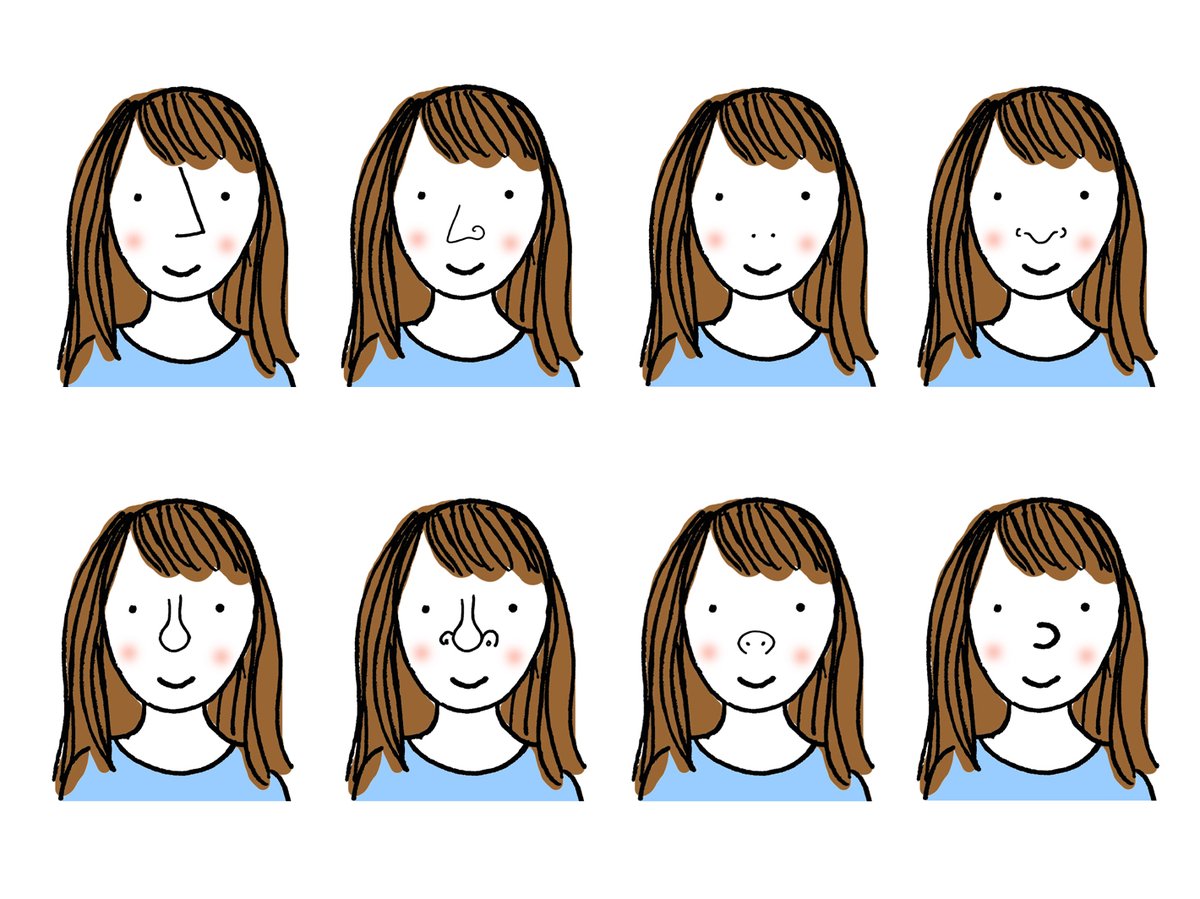
Ever notice how some cartoon characters just stick with you? Long after the credits roll, certain features remain etched in your memory, becoming shorthand for their entire personality. Among these distinctive traits, few are as consistently effective—or as wonderfully ridiculous—as the iconic cartoon nose. These exaggerated snouts aren't just for laughs; they're powerful design choices that shape character, convey emotion, and embed themselves deeply into our collective pop culture consciousness.
At a glance: What you'll discover about iconic cartoon noses
- How cartoon noses serve as instant visual cues for personality and role.
- The intentional design choices behind exaggerated facial features in animation.
- Examples of over 110 characters whose noses define their humor, villainy, or charm.
- The surprising cultural impact of these simple, often oversized, proboscises.
- Why a seemingly trivial detail can become a cornerstone of a character's legacy.
The Power of the Prominent Proboscis: Why Noses Matter in Cartoons
From the subtle curve to the wildly bulbous, cartoon noses are far more than mere anatomical placeholders. They are deliberate strokes of genius from animators, designed to instantly communicate who a character is, what they feel, and often, what role they play in their animated world. Studies indicate that nearly 22% of viewers initially remember a character by their facial features, with the nose being the most prominent after the eyes. This isn't accidental; it's a testament to the effectiveness of exaggerated design in etching characters into our minds.
Cartoon creators frequently exaggerate facial features, and big noses are a popular choice to inject humor, uniqueness, and instant recognition. These aren't just random adornments; they're storytelling devices. A long, drooping nose might signal perpetual gloom, while a sharp, pointed one could betray a villain's cunning. Across generations and genres, from classic Looney Tunes to modern Disney epics, this principle holds true. We're about to dive into the fascinating world of over 110 iconic cartoon characters known for their distinctive, oversized snouts, exploring how these features contribute to their enduring legacy and cultural significance. It’s a deeper look into Everything about cartoon noses and their impact.
Noses That Speak Volumes: Crafting Character Through Exaggeration
The nose, in the hands of a skilled animator, transforms into a dynamic tool for character development. It can accentuate a persona, foreshadow intentions, or simply add a touch of unforgettable charm. This exaggeration allows for a visual shorthand that transcends language, making characters universally understood, whether they're bumbling heroes or cunning villains. The sheer variety of these designs speaks to the ingenuity behind fundamental character design principles in animation.
The Grumpy, Greedy, and Ghoulish: Noses of Antagonists and Abrasive Personalities
Sometimes, a character’s nose is the first visual clue that they’re not to be trusted, or perhaps just perpetually annoyed. These are the snouts that often belong to the schemers, the misanthropes, and the downright evil, making them instantly recognizable as forces to be reckoned with—or to roll your eyes at.
- Squidward Tentacles (SpongeBob SquarePants): This octopus (yes, confirmed by animators despite his name) sports a long, drooping nose that perfectly embodies his perpetually grumpy, sarcastic, and annoyed personality. His nose is practically a character in itself, often becoming the butt of jokes and visually defining his general exasperation with SpongeBob and Patrick.
- Mr. Burns (The Simpsons): With his long, pointed nose, Mr. Burns immediately presents a vulture-like, sinister, and greedy appearance. This prominent feature effectively reflects his unattractive soul and predatory villain role, making him a chilling symbol of corruption and unchecked power in Springfield.
- Jafar (Aladdin): Disney's 1992 classic gave us Jafar, a primary villain whose sharp, hooked, large, and crooked nose, paired with his sinister grin, instantly conveys cruelty and scheming intelligence. As Agrabah’s Royal Vizier, his facial structure perfectly communicates his dark ambition to acquire a magical lamp and control the world.
- Ursula (The Little Mermaid): Her large, pointed nose is a defining feature of her grotesque sea witch appearance. It contributes significantly to her sinister, monstrous, and commanding presence, cementing her as a terrifying yet utterly iconic Disney villain.
- Yzma (The Emperor's New Groove): A masterclass in comical villainy, Yzma's long, bony nose dramatically enhances her skeletal appearance and sharp chin. This exaggerated feature contributes to her celebrated status as a funny, ugly, and unforgettable villain.
- Cruella de Vil (101 Dalmatians): Cruella's pointed nose complements her gaunt, skeletal appearance, making her look sharp, cruel, and menacing. Her exaggerated features, including her nose, vividly highlight her obsession with fur and vanity, defining her as an ugly, intimidating, and iconic villainess.
- Grumpy (Snow White and the Seven Dwarfs): True to his name, Grumpy’s big nose accompanies his perpetually grumpy attitude. It contributes to his look of rudeness and resistance to change, yet ironically underscores his role as one of the most competent, sharp, and opinionated dwarfs in the classic tale.
These characters demonstrate how a nose can be the cornerstone of a villain's visual identity, often simplifying the understanding of classic villain archetypes in animation.
The Goofy, Lovable, and Heartfelt: Noses of Heroes and Comedic Relief
Not all big noses belong to villains. Many beloved characters use their prominent snouts to amplify their comedic charm, naive sweetness, or rugged appeal. These are the characters whose noses make us smile, laugh, or feel a pang of empathy.
- Nigel Thornberry (The Wild Thornberrys): Nigel features one of the most exaggerated noses in cartoon history—long and curved—which perfectly matches his eccentric personality. His instantly recognizable snout, combined with his goofy mustache, has made him a meme-worthy icon.
- Fred Flintstone (The Flintstones): Fred’s wide, rounded nose gives him a rough, working-class, blue-collar appearance. It emphasizes his clumsy yet lovable personality, adding significantly to his comedic charm and everyman appeal.
- Popeye (Popeye The Sailor): Known for his bulbous, crooked, big nose, Popeye’s most famous feature reinforces his scrappy, rugged, and sea-worn sailor look. It’s as much a part of his iconic silhouette as his massive forearms and corncob pipe, signifying a character whose strength can surprise you.
- Droopy Dog (MGM cartoons): Droopy’s long, drooping nose completes his saggy, unattractive face, perfectly fitting his low-energy, deadpan, gloomy, and lazy personality. His sad expressions are emphasized by his nose, adding to the unique charm and humor of his unexpected victories.
- Elmer Fudd (Looney Tunes): His short, round nose complements his pudgy, awkward, and clumsy appearance. It reinforces his silly, foolish personality as a bumbling foil to Bugs Bunny, whose frequent failures are a continuous source of laughter.
- Mrs. Puff (SpongeBob SquarePants): Mrs. Puff's round, fishy face is highlighted by her bulbous nose, contributing to her awkward, goofy appearance. This feature perfectly fits her role as a constantly stressed-out teacher, known for her humorous, exaggerated expressions of panic.
- Goofy (The Mickey Mouse Club): Goofy is an adorable character whose big nose, clumsy ways, and absent-mindedness are part of his enduring charm. His nose simply adds to his lovable, easygoing demeanor, making his "hyuck!" and loyal friendship all the more endearing.
- SpongeBob SquarePants (SpongeBob SquarePants): SpongeBob’s big nose is simply part of his lovable, goofy sea sponge character. While it doesn't serve a specific narrative purpose like Pinocchio's, it's an intrinsic part of his unique design, helping him stand out in the colorful world of Bikini Bottom.
- Billy (The Grim Adventures of Billy & Mandy): Characterized by his big nose and bright smile, Billy's appearance immediately conveys his dim-witted yet cheerful nature. His constant curiosity often leads to trouble, but his good-natured personality and devotion to his friends are clear, despite his dopey demeanor.
- Muriel Bagge (Courage the Cowardly Dog): Muriel’s long, round nose gives her a grandmotherly but goofy appearance. Despite her plain looks, her warmth balances her funny features, making her charming, lovable, and the comforting heart of Courage’s often terrifying world.
- Lilo Pelekai (Lilo & Stitch): Lilo, a quirky six-year-old from Kauai, has a big heart and a big nose. Her offbeat personality and wild imagination, stemming from the loss of her parents, are visually complemented by her unique features, making her both memorable and endearing.
- Shrek (Shrek): This green, intimidating ogre with a big nose (and a Scottish accent) defied expectations. His nose contributes to his rugged, somewhat intimidating initial appearance, which contrasts beautifully with his eventual portrayal as a kind-hearted individual seeking solitude.
These characters highlight how distinctive noses can contribute to the unique charm and broad appeal of how humor is crafted in animation.
The Quirky, Clever, and Unconventional: Noses of Innovators and Eccentrics
Some noses belong to characters whose minds work differently—whether they're brilliant inventors, cunning strategists, or just delightfully odd individuals. Their prominent features often mirror their unconventional approaches to life.
- Phineas Flynn (Phineas and Ferb): Phineas's prominent, pointy, flat, and long nose dominates his triangular face, contributing to his unusual yet unique appearance. This distinctive feature perfectly suits his optimistic and incredibly creative personality, as he's constantly building wild summer projects.
- Wile E. Coyote (Looney Tunes): His pointed snout and long nose create a desperate, scrappy look, making him appear cunning yet perpetually unlucky in his pursuit of the Road Runner. His nose exaggerates his hungry, predator-like persona, adding a layer of visual humor to his frequent, explosive failures.
- Ferb Fletcher (Phineas and Ferb): Like his stepbrother Phineas, Ferb has a triangle-shaped head and a long, prominent nose. This unique design complements his role as the silent, clever genius behind many of their wild projects, known for his dry, witty remarks.
- Dr. Heinz Doofenshmirtz (Phineas and Ferb): As the eccentric, clueless, and overacting villain, Dr. Doofenshmirtz's large nose is part of his comically awkward design. It adds to his memorable appearance as he consistently fails in his "evil" plans, often foiled by Perry the Platypus.
- Gru (Despicable Me): Gru's iconic big nose is central to his distinct silhouette. It perfectly suits his character, evolving from a cold-hearted mastermind with a penchant for freeze rays to a surprisingly warm and loving father, all while maintaining his unique visual identity.
- Stan Pines (Gravity Falls): Stan Pines' prominent nose is part of his gruff, world-weary appearance. It contributes to his image as the shady proprietor of the Mystery Shack, a character with a mysterious past who is revealed to be deeply involved in Gravity Falls' supernatural phenomena.
- Bruno Madrigal (Encanto): With his big nose and quirky personality, Bruno's unique features make him instantly recognizable. His gift of seeing the future made him the "black sheep" of the Madrigal clan, and his distinct appearance, including his nose, adds to his initial misunderstood outsider status before his true nature is revealed.
- Flash Slothmore (Zootopia): Ironically called the "fastest" sloth, Flash’s face, including his prominent nose, reinforces his glacially slow demeanor. Yet, it also contributes to his friendly, polite, and surprisingly sharp professional look, making him seem smarter than his speed suggests.
- Flint Lockwood (Cloudy With a Chance of Meatballs): Flint dreams of being a brilliant scientist, and his facial features, including his noticeable nose, contribute to his image as an inventive but often socially awkward forward-thinker. His big ideas sometimes outstrip his practical abilities, but his nose is part of his distinct, earnest appeal.
These unique character designs often resonate with audiences, becoming integral to the elements that make cartoon characters unforgettable.
The Distinctly Different: Noses That Define Unique Appearances
Sometimes, a character's nose simply contributes to an overall aesthetic that is striking, unconventional, or even deliberately "unattractive" by traditional standards, yet utterly iconic in its own right. These characters challenge conventional beauty, proving that uniqueness is far more captivating.
- Olive Oyl (Popeye The Sailor): Her tall, lanky physique is paired with a long, pointed nose, making her one of the strangest-looking love interests in cartoons. Despite her unconventional features, her personality shines through, making her uniquely recognizable and an essential, charming part of Popeye's story.
- Helga (Hey Arnold!): Helga’s long nose and sharp features create a harsh, awkward, tomboyish look that perfectly matches her tough, bullying behavior. This external harshness beautifully contrasts with her secretly tender and complex love for Arnold, making her one of the most admired and multifaceted characters.
- Marge Simpson (The Simpsons): Her long, pointed nose complements her tall, unusual appearance, emphasizing her quirky look alongside her towering blue hair. Despite her unique design, Marge's nose is a subtle yet crucial part of her iconic silhouette, symbolizing her role as the patient heart and backbone of the Simpsons household.
- Lois Griffin (Family Guy): Lois features a long, rounded nose that dominates her plain, awkward face. This design reflects Family Guy’s crude humor style, making her a core character whose unattractive appearance is part of the show's comedic sensibility.
- Ms. Choksondik (South Park): Ms. Choksondik is known for one of the most exaggerated noses in cartoons—long and sagging—which matches her overall unattractive, awkward appearance. Her nose is a deliberate exaggeration for shock humor, ensuring her place as an unforgettable, if crude, joke character.
- Sylvester The Cat (Looney Tunes): Sylvester’s big nose is a prominent feature of his clumsy Tuxedo cat design. Named after Felis silvestris, his large snout contributes to his classic cartoon antagonist look, instantly recognizable in his 103 classic appearances, often paired with Tweety.
- Mr. Bean (Mr. Bean: The Animated Series): Voiced by Rowan Atkinson, Mr. Bean's distinct facial features, including his nose, are central to his character. His oddball protagonist status is amplified by his unique look and oblivious approach, turning everyday tasks into comedic chaos.
These characters defy conventional attractiveness, proving that a distinctive nose can be the key to lasting memorability and a unique form of appeal, contributing significantly to the broader cultural impact of cartoons.
The Nose with a Moral: Pinocchio's Iconic Protrusion
While many cartoon noses are about personality or humor, one stands alone as a powerful symbol of truth and consequence:
- Pinocchio (Pinocchio): This world-famous wooden puppet has a nose that grows longer every time he tells a lie. It serves as a clear, obvious, and universally understood reminder of the immediate consequences of dishonesty and the profound importance of telling the truth. Pinocchio's nose isn't just a design choice; it's a narrative device, a character arc, and a moral lesson all rolled into one.
Beyond the Snout: Cultural Footprint of Iconic Noses
The impact of these iconic cartoon noses extends far beyond the screen. They become shorthand in conversation, inspire merchandise, and even spark viral memes. Think about how instantly you can visualize Mr. Burns' pointed sniffer or Nigel Thornberry's wild proboscis; these images are powerful and evoke an entire character and their world with just a glimpse.
These distinctive features are crucial in solidifying a character's place in popular culture. They make characters instantly identifiable in a crowded media landscape and contribute to their longevity. A character with a unique nose is not easily forgotten, becoming a touchstone for generations of viewers. This recognizability fuels everything from Halloween costumes to nostalgic revisits, proving that sometimes, the simplest design elements have the greatest cultural resonance.
The Intentional Snout: Design Philosophy Behind Cartoon Noses
Why do animators consistently turn to the exaggerated nose? It's not just about being silly; it's about intentional design.
- Clarity and Readability: In animation, every frame counts. An exaggerated nose provides an immediate visual cue about a character's nature, making them easier to "read" even in quick movements or busy scenes.
- Emotional Amplification: A nose can be easily distorted or manipulated to convey a range of emotions—from anger and disgust to surprise or sadness. A drooping nose exaggerates dejection, a flared nostril suggests rage.
- Humor: Let's be honest, a big, silly nose is often inherently funny. It breaks from reality, inviting laughter and creating a sense of lightheartedness that is crucial to many animated comedies.
- Distinction and Memorability: With countless characters vying for attention, a unique feature like a distinctive nose helps a character stand out from the crowd, making them memorable and aiding in their long-term popularity.
- Symbolism: As with Pinocchio, the nose can carry profound symbolic weight, representing moral lessons or character flaws in a visually direct way.
Do big noses always mean a character is a villain or silly? Absolutely not. While many antagonists use sharp, hooked noses to project menace, and many comedic characters have goofy, bulbous ones, the examples above show a vast spectrum. Characters like Marge Simpson, Lilo Pelekai, and Flash Slothmore prove that a prominent nose can simply be part of a beloved, unique individual, adding to their distinct charm rather than defining them as solely good or bad. It's all about how the feature integrates with the overall design and personality.
More Than Just a Feature: The Enduring Legacy
The "iconic cartoon nose" is far more than a simple drawing detail. It's a testament to the brilliance of character design, an instant personality amplifier, and a powerful tool for cultural embedding. From the perpetually annoyed Squidward to the morally challenged Pinocchio, these distinct snouts help us instantly connect with characters, understand their roles, and remember them for years to come.
Next time you see an animated character with a nose that catches your eye, take a moment to consider what that nose is telling you. Is it signaling mischief, sadness, joy, or wisdom? Chances are, it's doing a lot more heavy lifting than you might initially assume. These unique proboscises are a vibrant part of our shared cultural lexicon, reminding us that sometimes, the most unforgettable characters have the most unforgettable noses.